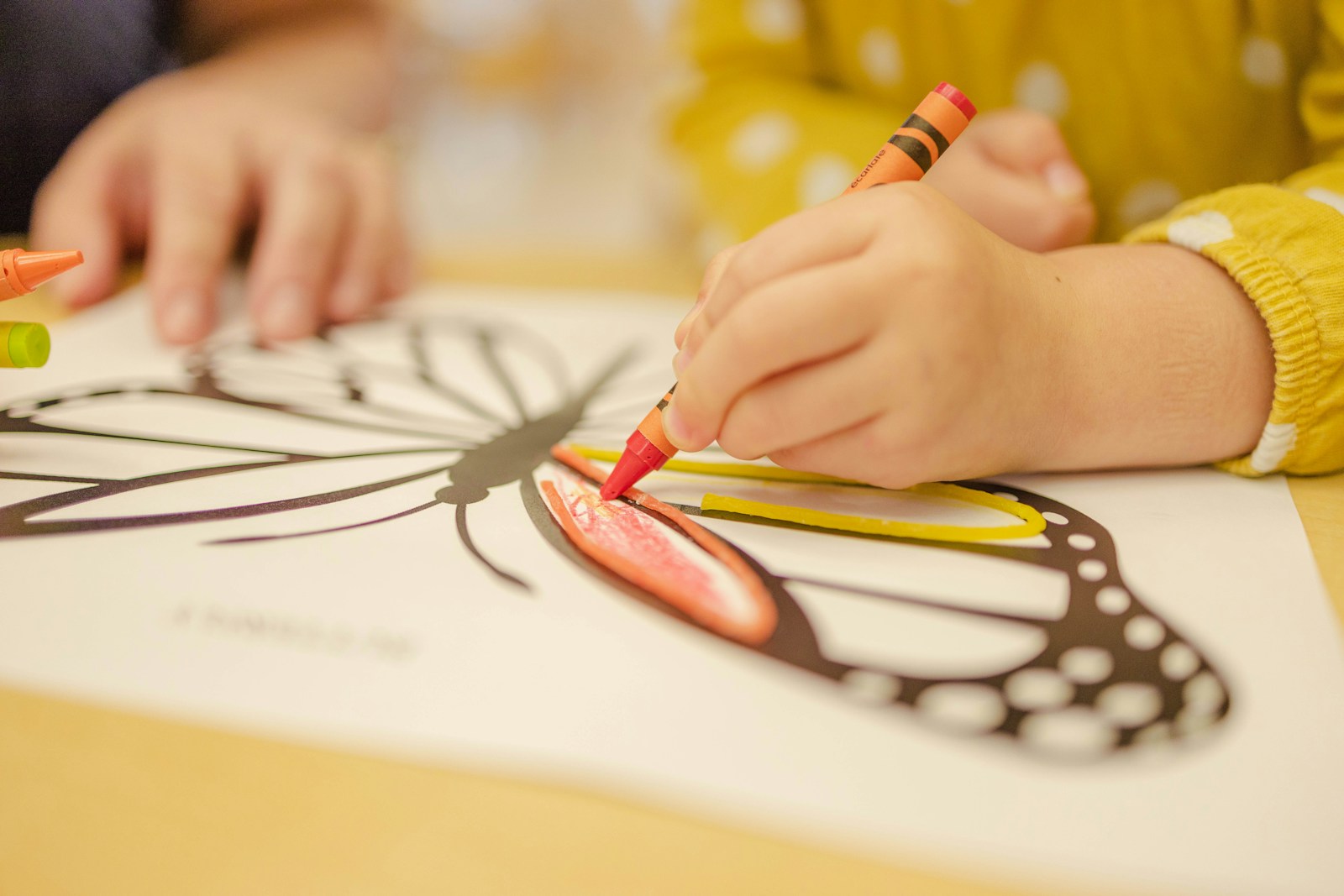
From the moment little hands can grasp a crayon, art becomes more than just colorful fun — it’s brain-building magic. Creative activities ignite neural connections, strengthen problem-solving skills, and help children express feelings that words can’t capture. For young and school-age children, artistic play is one of the most joyful ways to nurture both heart and mind.
The Brainy Benefits of Art
According to research from the National Endowment for the Arts and the American Academy of Pediatrics, engaging in artistic activities stimulates multiple regions of the brain at once — including those responsible for fine motor control, decision-making, and emotional regulation. Here’s how:
- Cognitive Development: Art encourages planning, focus, and flexible thinking. A child deciding what color to use or how to draw a tree is making dozens of tiny brain-based decisions.
- Language Growth: Discussing art projects builds vocabulary and storytelling skills.
- Emotional Well-being: Art provides a safe space for self-expression, helping children process emotions and build confidence.
- Social Skills: Shared creative activities encourage cooperation, patience, and empathy.
Simply put: art isn’t just play — it’s a workout for the growing brain.


Educational and Social Perks
Art offers a wonderful blend of learning and bonding:
- Math & Science through Art: Measuring paper, mixing colors, and recognizing patterns teach early STEM concepts.
- Cultural Awareness: Art can be inspired by traditions, seasons, and world cultures, broadening a child’s understanding.
- Intergenerational Connection: Crafting with parents and grandparents turns creativity into a family legacy.
Age-Appropriate Art Activities for Home and Outdoors
Ages 3–5: Bright Beginnings
- Color & Chat Time: Use simple coloring books with large, bold shapes (C.J. Honeybee’s specialty!) to help little ones build hand-eye coordination.
- Nature Paintbrushes: Gather leaves, pinecones, or flowers and use them as paint tools — sensory fun and outdoor exploration rolled into one.
- Sidewalk Chalk Shapes: Draw giant circles, squares, and stars, then have children hop to each shape — mixing art with kinetic learning.
Brain Boost: Fine motor control, color recognition, basic shape and pattern awareness.


Ages 6–8: Growing Skills
- Storybook Illustration: After reading a short story together, have children draw their favorite scene. This builds comprehension and narrative thinking.
- Color Mixing Lab: Give kids red, yellow, and blue paint to experiment with creating secondary colors. Ask them to name their “new” colors.
- Shadow Tracing: On sunny days, trace each other’s shadows with chalk, then decorate them into imaginative characters.
Brain Boost: Creativity, problem-solving, scientific observation, storytelling skills.
Ages 9–12: Creative Confidence
- DIY Comic Strips: Children create a short comic about a family adventure or a made-up character. This combines writing, sequencing, and humor.
- Perspective Art: Use tape on a canvas or cardboard to create geometric sections, then paint each in a different color.
- Community Art Walk: Create small pieces of “kindness art” and leave them in public places for neighbors to find.
Brain Boost: Abstract thinking, planning, empathy, and real-world engagement.


Coloring Books: A Cozy Corner of Creativity
Coloring isn’t just for toddlers — it’s a calming, meditative practice for all ages. Studies in the Journal of Occupational Therapy show that coloring reduces stress and helps children focus. For families, a shared coloring book session means conversation flows naturally, laughter comes easily, and screens fade into the background.
C.J. Honeybee Tip: Keep a “family coloring basket” stocked with crayons, markers, and coloring pages for spontaneous creative moments.


Outdoor Kinetic Art Fun
Art doesn’t have to be confined to the kitchen table:
- Spray Bottle Painting (Ages 5+): Fill spray bottles with watered-down, washable paint and spray onto old sheets or cardboard outside.
- Mural in the Driveway (Ages 4+): Use chalk to create a huge collaborative scene — castles, oceans, bee gardens — whatever inspires.
- Leaf Rubbing Trail (Ages 3+): Take paper and crayons on a walk, rubbing over different leaves to capture their unique textures.
These activities combine physical movement, sensory stimulation, and open-air inspiration.
Sources for Parents Who Want to Learn More
- National Endowment for the Arts: The Arts and Human Development report.
- American Academy of Pediatrics: The Importance of Play in Promoting Healthy Child Development.
- Journal of Occupational Therapy: The Benefits of Coloring for Stress Reduction in Children.
Final Buzz from C.J. Honeybee
Every time a child dips a brush in paint, picks up a crayon, or dances around a sidewalk mural, they’re building brain pathways, confidence, and connection. Art gives children permission to dream, to make mistakes, to try again — and to feel proud of what their hands and hearts can create.
Comments are closed