Introduction
Art isn’t just something you find in a museum—it’s buzzing all around us in everyday life! Teaching children to recognize and appreciate art in their surroundings helps them grow creatively. It encourages them to think critically and find joy in unexpected places. Whether it’s through vibrant colors in nature, architecture on city streets, or even homemade craft projects, families can discover art together in playful, budget-friendly ways.
Here are five whimsical, creative activities. They are ranked in ascending order, from the most accessible to the most rewarding. These activities help children see the world through an artistic lens. Each is designed with the C.J. Honeybee spirit in mind: Bee Bold, Bee Creative, Bee You!
1. Neighborhood Art Walk
Accessibility: ★★★★★
Cost: Free
Educational Value: ★★☆☆☆
Enjoyment Potential: ★★☆☆☆
Sometimes the simplest adventures bring the sweetest discoveries! Take a walk through your neighborhood or a nearby park and encourage children to spot patterns, shapes, and colors in everyday objects—like the zigzag of a fence, the symmetry of a flower, or the playful splash of chalk on a sidewalk.
Family Tip: Turn it into a scavenger hunt by giving your child a list of artistic elements to find; circles, textures, shadows, or even something that looks like a face!
Safety Tip: Remind kids to stay on the sidewalk and hold hands when crossing streets.
Reflective Question: What was the most surprising “artwork” you spotted on your walk?
This activity requires no special tools—just curious eyes. It’s accessible for all ages, but younger kids especially love the “treasure hunt” aspect. While the educational depth is light, it’s a joyful entry point into seeing art in ordinary surroundings.


2. Artful Nature Collection
Accessibility: ★★★★☆
Cost: Free
Educational Value: ★★★☆☆
Enjoyment Potential: ★★★☆☆
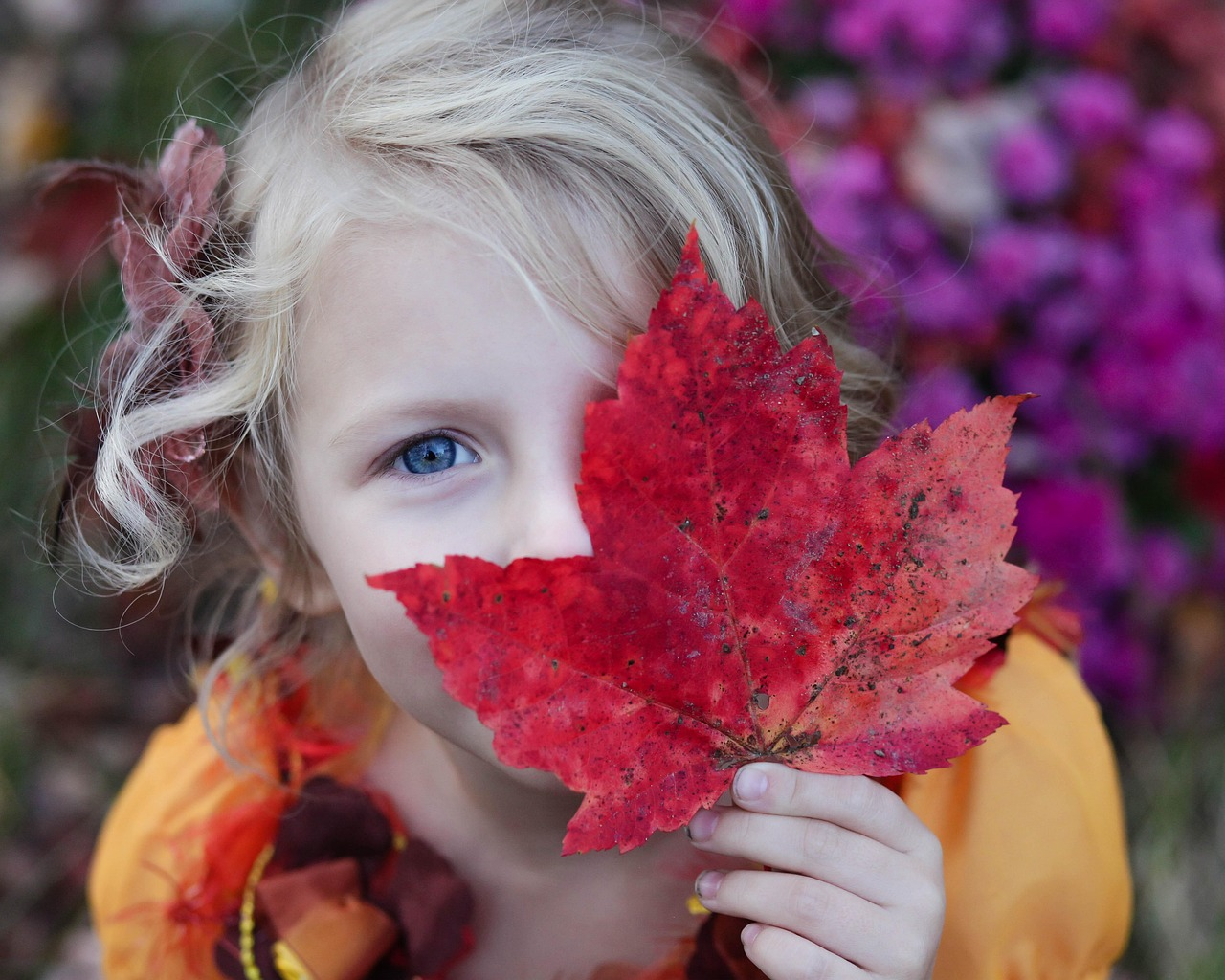
Nature is the greatest artist of all! Encourage children to collect interesting leaves, pebbles, feathers, or pinecones during outdoor adventures. Back at home, create collages, texture rubbings, or shadow tracings to transform their finds into art projects.
Family Tip: Create a “story collage” from your finds.
Safety Tip: Wash hands after handling natural items and avoid picking plants you don’t recognize.
Reflective Question: Which natural item felt the most special to you and why?
This activity helps children connect art with the environment while sharpening observation skills. It also encourages eco-friendly creativity by repurposing natural materials. The projects are inexpensive, fun, and perfect for sparking conversations about seasonal changes and the beauty of the earth.

3. Photography Adventure
Accessibility: ★★★☆☆
Cost: Minimal (a smartphone or camera)
Educational Value: ★★★★☆
Enjoyment Potential: ★★★★☆
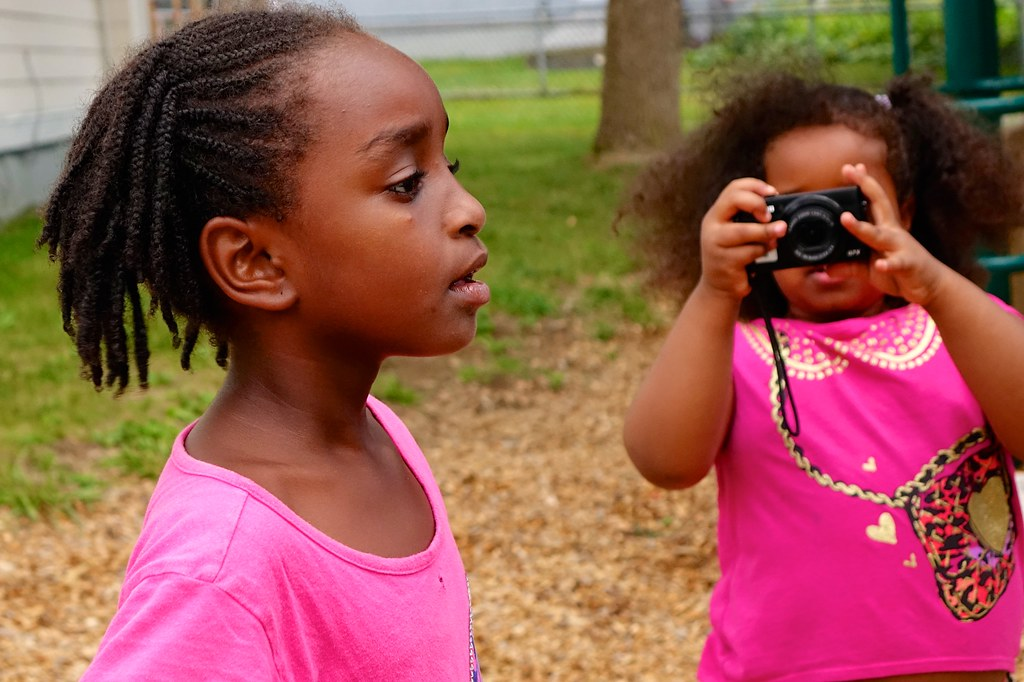
Hand your child a camera (or let them borrow your phone) and let them capture the world from their perspective. Kids love exploring through photography—whether it’s close-ups of flowers, reflections in puddles, or playful snapshots of pets.
Family Tip: Choose a theme for your photo walk, like “things that sparkle,” “shapes in nature,” or “hidden hearts.” Create a digital slideshow or print the photos to make a family art gallery at home.
Safety Tip: If outdoors, remind kids to watch where they walk while snapping photos.
Reflective Question: What photo tells the best story from today’s adventure?
Photography teaches kids about framing, perspective, and storytelling. It also empowers them to express how they see the world. The cost is low if you already have access to a camera. The educational value is high. It introduces technology, visual storytelling, and creativity.
4. Local Art Exploration


Accessibility: ★★☆☆☆
Cost: Moderate (museum or gallery tickets)
Educational Value: ★★★★★
Enjoyment Potential: ★★★★☆
Visiting a museum, art gallery, or cultural center gives children a chance to experience professional art up close. Many museums even offer free family days or discounted tickets. Walking through exhibits can spark conversations about color, technique, culture, and history.
Family Tip: Before going, create a simple “art bingo” card with items like “portrait,” “animal,” “painting with red,” or “sculpture.” Kids will love hunting for these items while learning to engage with art on a deeper level.
Safety Tip: Remind kids to look with their eyes, not their hands, unless the exhibit is interactive.
Reflective Question: Which piece of art made you feel the happiest or most curious?
This experience introduces children to a world beyond their own creations. It inspires them with masterworks and sparks curiosity about different artistic styles. While slightly less accessible due to cost or travel, the educational benefits are immense.
5. Family Art-Making Night
Accessibility: ★★☆☆☆
Cost: Varies (basic supplies needed)
Educational Value: ★★★★★
Enjoyment Potential: ★★★★★
The most powerful way to help children understand art is to create it together. Set aside an evening for a family art night—spreading out paints, markers, paper, or even homemade playdough. Everyone, from grandparents to little ones, can join.
Family Tip: Choose a theme. For example, “Under the Sea” or “Space Adventure.” Let each family member create their own interpretation. Share and celebrate everyone’s artwork at the end. Display your creations on a wall or fridge as a family gallery.
Safety Tip: Supervise little ones with scissors, glue, or small craft supplies.
Reflective Question: How did it feel to create something side by side as a family?
This activity has the highest educational and emotional value. It encourages self-expression, problem-solving, fine motor skills, and family bonding. Plus, the joy of laughing, painting, and making a mess together is priceless!


Conclusion
Art is everywhere—it’s in the cracks of the sidewalk, the leaves on a tree, and the brushstrokes of a painting. By guiding children to see, appreciate, and create art, families nurture curiosity, creativity, and connection.
Whether it’s a free neighborhood walk or a family art-making extravaganza, these activities help kids understand that art isn’t just something we look at—it’s something we live.
So, grab your paintbrushes, cameras, or just a good pair of walking shoes, and discover the whimsical world of art together.
Bee Bold, Bee Creative, Bee You!
Want to keep buzzing with ideas? Check out these helpful resources:
- The Kennedy Center’s Arts Edge Family Resources
- PBS Parents: The Importance of Art in Child Development
- Crayola Creativity Hub
- Free Family Art Age Guide: Fun + Creative Ways Kids Can Explore Art by Age



Comments are closed